Abstract
This comprehensive guide, “Unlock the Secrets of Potassium Sulfite CAS 10117-38-1,” delves into the properties, applications, and safety aspects of potassium sulfite, a versatile chemical compound widely used in various industries. The guide provides an in-depth analysis of its chemical structure, production methods, uses in food preservation, pharmaceuticals, and other sectors, as well as its environmental impact and regulatory considerations. By exploring these facets, the guide aims to offer a comprehensive understanding of potassium sulfite, its significance, and its role in modern society.
Introduction to Potassium Sulfite
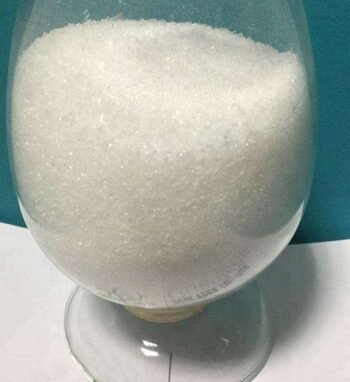
Potassium sulfite, with the chemical formula K2SO3, is a white crystalline solid that is highly soluble in water. It is commonly known by its CAS number, 10117-38-1, which is a unique identifier used in the chemical industry. This compound is produced through the reaction of potassium hydroxide with sulfur dioxide. It is an essential ingredient in various industrial processes and has a wide range of applications.
Chemical Structure and Properties
The chemical structure of potassium sulfite consists of potassium ions (K+) and sulfite ions (SO3^2-). The potassium ion contributes to the compound’s solubility in water, while the sulfite ion is responsible for its reducing properties. These properties make potassium sulfite a valuable chemical in various applications. It is also known for its stability, which allows it to be stored for extended periods without degradation.
Production Methods
The production of potassium sulfite involves several methods, including the direct reaction of potassium hydroxide with sulfur dioxide, the reaction of potassium carbonate with sulfuric acid, and the reaction of potassium chloride with sodium sulfite. Each method has its advantages and disadvantages, and the choice of method depends on factors such as cost, efficiency, and environmental considerations.
Applications in Food Preservation
Potassium sulfite is widely used in the food industry as a preservative and antioxidant. It helps to prevent the browning of fruits and vegetables, extend their shelf life, and maintain their nutritional value. Additionally, it is used in the production of beer and wine to prevent spoilage and to enhance flavor. The use of potassium sulfite in food preservation is regulated by various food safety authorities to ensure its safety for consumption.
Use in Pharmaceuticals
In the pharmaceutical industry, potassium sulfite serves as a stabilizer and preservative in injectable medications. It helps to maintain the stability of the drug formulation and prevent bacterial contamination. Its use in pharmaceuticals is subject to stringent regulatory standards to ensure patient safety.
Environmental Impact and Regulatory Considerations
While potassium sulfite is a valuable chemical, it is not without environmental concerns. Its disposal and use in industrial processes can lead to water and soil contamination. Therefore, proper handling and disposal methods are crucial to minimize environmental impact. Regulatory agencies around the world have established guidelines and regulations to manage the use of potassium sulfite and other chemicals to protect human health and the environment.
Conclusion
“Unlock the Secrets of Potassium Sulfite CAS 10117-38-1: A Comprehensive Guide” provides a comprehensive overview of this versatile chemical compound. From its chemical structure and production methods to its applications in food preservation and pharmaceuticals, the guide offers a detailed exploration of potassium sulfite’s role in various industries. By addressing its environmental impact and regulatory considerations, the guide underscores the importance of responsible use and management of potassium sulfite to ensure its continued relevance and safety in modern society.
Keywords: potassium sulfite, CAS 10117-38-1, chemical properties, production methods, food preservation, pharmaceuticals, environmental impact, regulatory considerations