


Phosphatidylcholine CAS 8002-43-5: Ultimate Product Guide (2025)
Table of Contents
- 1. Product Overview & Specifications
- 2. Key Applications & Industrial Uses
- 3. Comparative Analysis: Soy vs Egg Yolk Sources
- 4. Usage Guidelines & Safety Protocols
- 5. Case Studies: Pharmaceutical & Nutraceutical Implementations
- 6. Request Customized Quotes & Samples
1. Product Overview & Specifications
| Parameter | Phosphatidylcholine (CAS 8002-43-5) |
|---|---|
| Chemical Name | 1,2-diacyl-sn-glycero-3-phosphocholine |
| CAS Number | 8002-43-5 |
| Molecular Formula | C42H80NO8P (Typical composition) |
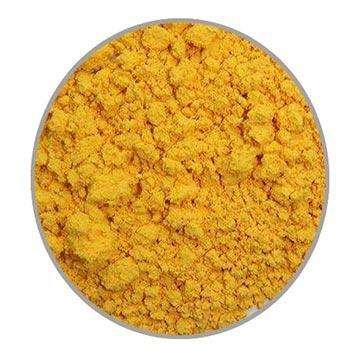
| Appearance | Yellowish viscous liquid or white powder |
| Purity Grade | 50%-95% (Pharmaceutical/Nutraceutical/Cosmetic grades) |
| Primary Source | Soy lecithin (70% market share) / Egg yolk (Premium grade) |
| Solubility | Ethanol-soluble, water-insoluble (forms micelles) |
| Storage | 2-8°C in airtight containers (Avoid oxidation) |
2. Key Applications & Industrial Uses
Pharmaceutical Applications
- Liposomal drug delivery systems (Doxil®, Amphotericin B)
- Liver protection formulations (Essentiale® Forte)
- Neurological health supplements (Cognitive enhancement)
Nutraceutical Innovations
- Bioavailability enhancer for fat-soluble vitamins
- Membrane fluidity support in aging populations
- NAFLD (Non-alcoholic fatty liver disease) management
Cosmeceutical Uses
- Transdermal delivery vehicle for retinoids
- Liposome-encapsulated anti-aging actives
- Barrier repair formulations (Atopic dermatitis)
3. Comparative Analysis: Soy vs Egg Yolk Sources
| Feature | Soy-derived PC | Egg-derived PC |
|---|---|---|
| Fatty Acid Profile | High linoleic acid (C18:2) | Rich in palmitic acid (C16:0) |
| Oxidative Stability | Requires antioxidants (Vitamin E/Tocopherols) | Inherent stability (Lower PUFA content) |
| Regulatory Status | Non-GMO projects compliant | Allergen considerations required |
| Cost Efficiency | $120-$250/kg (Bulk pricing) | $800-$1,200/kg (Pharma grade) |
4. Usage Guidelines & Safety Protocols
Formulation Recommendations
- Optimal pH range: 6.5-7.5 (Prevent hydrolytic degradation)
- Combine with cholesterol (55:45 ratio) for stable liposomes
- Shear mixing requirements: 15,000-20,000 rpm for nanoemulsions
Regulatory Compliance
- USP-NF monograph compliance (Pharmaceutical grade)
- EU Novel Food regulations (EFSA-approved claims)
- ISO 9001:2025 certified manufacturing
5. Case Studies: Pharmaceutical & Nutraceutical Implementations
Case 1: Hepatoprotective Drug Formulation
- Client: Top 10 Global Pharma Company
- Challenge: Improve silymarin bioavailability by 300%
- Solution: 80% PC liposomal encapsulation
- Result: Phase III trial success with 2.8x AUC improvement
Case 2: Anti-Aging Cosmetic Serum
- Client: Luxury Skincare Brand
- Challenge: Stabilize 0.3% retinol in aqueous matrix
- Solution: Egg-derived PC nanosomes (200nm particle size)
- Result: 18-month shelf life with zero oxidation markers
6. Request Customized Quotes & Samples
Contact our lipid experts for:
- Custom fatty acid profiling
- GMP-certified manufacturing options
- Technical dossier & regulatory support
Email: info@vivalr.com
Tel: (86) 15866781826
Request batch-specific COA/MSDS documentation
相关产品
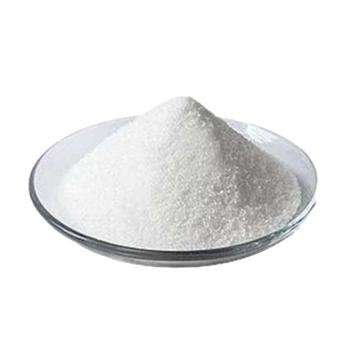
Chemical Name: 3-Hydroxybutyric acid
CAS No.: 625-71-8
Molecular Formula: C4H8O3
Molecular Weight: 104.1
Appearance: White powder

Chemical Name: o-Xylene
Synonyms: 1,2-Dimethylbenzene; ortho-xylene
CAS No.: 95-47-6
Molecular Formula: C8H10
Molecular Weight: 106.17

Chemical Name: DL-4-Chlorophenylglycine
Cas No.: 6212-33-5
Molecular Fomula: C8H8ClNO2
Molecular Weight: 185.61
Chemical Name: 3-Hydroxybutyric acid
CAS No.: 625-71-8
Molecular Formula: C4H8O3
Molecular Weight: 104.1
Appearance: White powder
Chemical Name: D-Phenothrin
CAS No.: 26046-85-5
Molecular Formula: C23H26O3
Molecular Weight: 350.45
Appearance: Oil
Chemical Name: Ethyl Hexanoate
Synonyms: Ethyl caproate; Caproic acid ethyl ester; Ethyl butyl acetate; capronic ether; hexanoic acid ethyl ester
CAS No.: 123-66-0
Molecular Formula: C8H16O2
Molecular Weight: 144.21
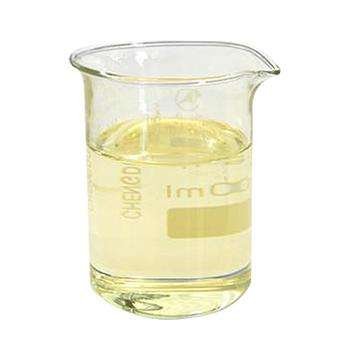
Chemical Name: Potassium Castorate
CAS No.: 8013-05-6
Molecular Formula: C57H107K3O12
Molecular Weight: 1101.74718
Appearance: Yellow Liquid
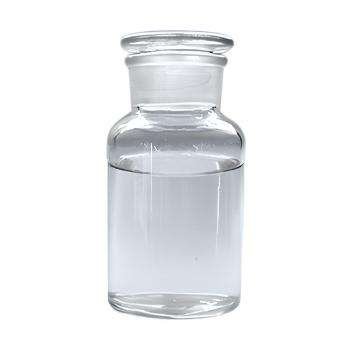
Chemical Name: N-(3-Aminopropyl)morpholine
CAS No.: 123-00-2
Molecular Formula: C7H16N2O
Molecular Weight: 144.21
Appearance: Colorless transparent liquid
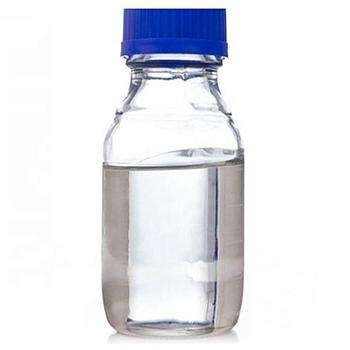
Chemical Name: D-PANTOTHENIC ACID
CAS No.: 79-83-4
Molecular Formula: C9H17NO5
Molecular Weight: 219.24
Appearance: Colorless or Light Yellow Oily Liquid
Chemical Name: STODDARD SOLVENT
CAS No.: 64742-88-7
Appearance: Colorless or Light Yellow Liquid

Chemical Name: Choline salicylate
CAS No.: 2016-36-6
Molecular Formula: C12H19NO4
Molecular Weight: 241.28
Appearance: Red-Brown Crystal
Chemical Name: Eicosatetraynoic acid(ETYA)
Cas No.: 1191-85-1
Molecular Fomula: C20H24O2
Molecular Weight: 296.4



评论
目前还没有评论。