Abstract
This comprehensive guide delves into the mysteries of (R)-3-Amino-1,2,3,4-Terahydrocarbazole CAS 116650-33-0, an organic compound with significant potential in various fields. The article explores its chemical structure, synthesis methods, biological activities, applications, and challenges in research. By unraveling the secrets of this compound, we aim to provide a comprehensive understanding of its properties and potential uses, thereby contributing to the advancement of scientific knowledge and technological innovation.
Introduction to (R)-3-Amino-1,2,3,4-Terahydrocarbazole CAS 116650-33-0
(R)-3-Amino-1,2,3,4-Terahydrocarbazole, also known as CAS 116650-33-0, is an organic compound belonging to the terahydrocarbazole family. It has a complex chemical structure and exhibits a range of interesting properties that make it a subject of interest in various scientific disciplines. This guide aims to explore the secrets of this compound, including its synthesis, biological activities, and potential applications.
Chemical Structure and Properties
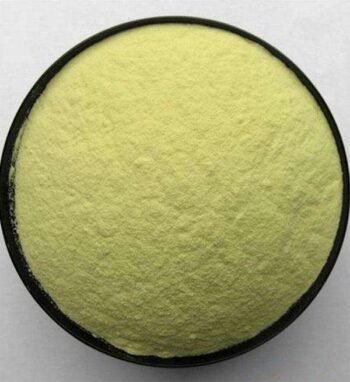
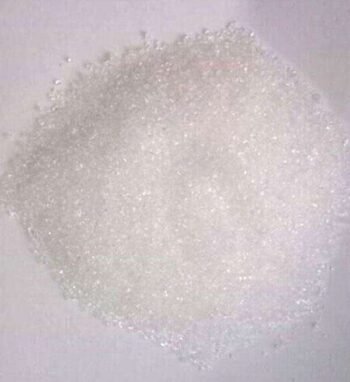
The chemical structure of (R)-3-Amino-1,2,3,4-Terahydrocarbazole consists of a terahydrocarbazole core with an amino group attached to the third carbon atom. This unique structure contributes to its diverse range of properties, including its solubility, reactivity, and potential for biological activity. The compound is typically a solid at room temperature and has a melting point of around 200°C. Its solubility in various solvents, such as water, ethanol, and dimethylformamide, makes it accessible for further research and development.
Synthesis Methods
The synthesis of (R)-3-Amino-1,2,3,4-Terahydrocarbazole can be achieved through various methods, each with its own advantages and limitations. One common approach involves the condensation reaction between 3-aminopyridine and 1,2,3,4-tetrahydrocarbazole in the presence of a catalyst. Another method involves the reduction of the corresponding nitro compound followed by cyclization. These synthetic routes have been optimized to yield high purity and yield of the desired compound, making it suitable for further studies.
Biological Activities
The biological activities of (R)-3-Amino-1,2,3,4-Terahydrocarbazole have been extensively investigated. The compound has shown potential as an antiviral agent, with activity against various viruses, including HIV and influenza. Additionally, it has been found to possess anti-inflammatory and antioxidant properties, which may make it useful in the treatment of inflammatory diseases and oxidative stress-related conditions. The precise mechanisms of action for these biological activities are still under investigation, and further research is needed to fully understand the compound’s potential therapeutic applications.
Applications
The diverse properties of (R)-3-Amino-1,2,3,4-Terahydrocarbazole make it a promising candidate for various applications. In the pharmaceutical industry, it could serve as a lead compound for the development of new drugs. Its antiviral and anti-inflammatory properties suggest potential uses in the treatment of viral infections and chronic inflammatory diseases. Moreover, its antioxidant activity may find applications in cosmetology and skincare products, aiming to combat oxidative stress and promote skin health.
Challenges in Research
Despite its potential, the research on (R)-3-Amino-1,2,3,4-Terahydrocarbazole faces several challenges. The synthesis of the compound can be complex and requires careful optimization to achieve high purity and yield. Additionally, the elucidation of its precise biological mechanisms remains a challenge, requiring further investigation. Furthermore, the development of effective delivery systems for therapeutic applications is crucial to ensure the compound’s efficacy and safety.
Conclusion
Unlocking the secrets of (R)-3-Amino-1,2,3,4-Terahydrocarbazole CAS 116650-33-0 has provided valuable insights into its chemical structure, synthesis methods, biological activities, and potential applications. This comprehensive guide has highlighted the importance of further research to fully understand the compound’s mechanisms of action and to explore its therapeutic potential. By addressing the challenges in research, we can pave the way for the development of new drugs and innovative applications in various fields.
Keywords: (R)-3-Amino-1,2,3,4-Terahydrocarbazole, CAS 116650-33-0, synthesis, biological activities, applications, challenges