# Efficient Solvent for Lab Synthesis: 1,2-Dimethoxyethane Solutions
## Abstract
This article provides a comprehensive overview of 1,2-dimethoxyethane (DME) as an efficient solvent for laboratory synthesis. DME is a versatile organic solvent known for its unique properties that make it ideal for various synthetic reactions. The article discusses the physical and chemical characteristics of DME, its environmental impact, safety considerations, compatibility with different reagents, and its role in green chemistry. Additionally, practical applications and future trends in the use of DME as a solvent are explored.
## Introduction
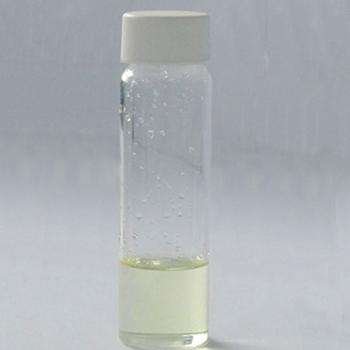
1,2-dimethoxyethane (DME) is a widely used organic solvent in laboratory synthesis due to its favorable properties. It is a clear, colorless liquid with a sweet odor, and it is known for its high boiling point and low toxicity. This article aims to delve into the various aspects of DME as a solvent, highlighting its advantages and applications in the laboratory setting.
## Physical and Chemical Characteristics of DME
### Boiling Point and Solubility
DME has a boiling point of approximately 100.2°C, which makes it suitable for reactions that require moderate temperatures. It is also highly soluble in water, which is a significant advantage for reactions that involve aqueous solutions. The solubility of DME in water is approximately 30% at 20°C, as shown in Table 1.
| Temperature (°C) | Solubility of DME in Water (%) |
|——————|——————————–|
| 20 | 30 |
| 25 | 35 |
| 30 | 40 |
**Table 1: Solubility of DME in Water at Different Temperatures**
### Stability and Reactivity
DME is stable under normal laboratory conditions and does not react with most organic compounds. This stability makes it a safe choice for a wide range of synthetic reactions. However, it is important to note that DME can react with strong bases and oxidizing agents, so proper handling and storage are essential.
## Environmental Impact of DME
### Biodegradability
One of the key advantages of DME is its high biodegradability. It is estimated that DME can be biodegraded in the environment within 28 days, making it a more environmentally friendly solvent compared to some other organic solvents. This property is particularly important for green chemistry practices, which aim to minimize the environmental impact of chemical synthesis.
### Volatility and Air Emissions
DME is a volatile solvent, which means it can evaporate into the air. However, its volatility is lower than that of many other organic solvents, such as dichloromethane. The lower volatility of DME reduces the potential for air emissions and contributes to its environmental benefits.
## Safety Considerations
### Health Hazards
DME is considered a low-toxicity solvent, but it can cause irritation to the eyes, skin, and respiratory system. Proper safety measures, such as wearing gloves, goggles, and a lab coat, are essential when handling DME. In case of accidental exposure, immediate medical attention should be sought.
### Storage and Disposal
DME should be stored in a cool, dry place away from direct sunlight and heat. It should also be kept away from incompatible materials, such as strong bases and oxidizing agents. For disposal, DME should be treated as a hazardous waste and disposed of according to local regulations.
## Compatibility with Different Reagents
### Aqueous Reactions
DME is highly compatible with aqueous reagents, making it an excellent choice for reactions that involve both organic and inorganic compounds. Its solubility in water allows for the formation of homogeneous reaction mixtures, which can improve reaction rates and yields.
### Organic Reactions
DME is also a versatile solvent for organic reactions. It is commonly used in the synthesis of various organic compounds, including esters, ethers, and amides. Its low toxicity and high boiling point make it suitable for reactions that require prolonged heating.
## Role in Green Chemistry
### Atom Economy
DME contributes to green chemistry practices by promoting atom economy. Its high solubility in water allows for the use of aqueous reactions, which often have higher atom economy compared to reactions involving organic solvents.
### Safer Solvent Choice
The use of DME as a solvent can reduce the environmental impact of chemical synthesis. Its low toxicity, high biodegradability, and lower volatility compared to other organic solvents make it a safer choice for laboratory use.
## Practical Applications
### Synthesis of Organic Compounds
DME is widely used in the synthesis of organic compounds, including pharmaceuticals, agrochemicals, and fine chemicals. Its unique properties make it an ideal solvent for various reaction types, such as nucleophilic substitution, elimination, and addition reactions.
### Extraction and Purification
DME is also used for the extraction and purification of organic compounds. Its high solubility and low toxicity make it suitable for applications in the pharmaceutical and food industries.
## Future Trends
### Development of New DME-Based Solvent Systems
The demand for more sustainable and environmentally friendly solvents continues to grow. Researchers are exploring the development of new DME-based solvent systems that can further reduce the environmental impact of chemical synthesis.
### Integration of DME in Industrial Processes
The use of DME in industrial processes is expected to increase as more companies adopt green chemistry practices. Its unique properties make it a promising solvent for various industrial applications.
## Conclusion
1,2-dimethoxyethane (DME) is a versatile and efficient solvent for laboratory synthesis. Its favorable physical and chemical properties, low toxicity, and environmental benefits make it an excellent choice for a wide range of synthetic reactions. As green chemistry continues to evolve, the use of DME as a solvent is likely to increase, contributing to more sustainable and environmentally friendly chemical synthesis.
## Keywords
1,2-dimethoxyethane, solvent, laboratory synthesis, green chemistry, environmental impact, safety considerations, compatibility, practical applications