Unlock the Power of Levomefolate Calcium CAS 151533-22-1: What You Need to Know
This article delves into the significance of Levomefolate Calcium, a vital nutrient with the CAS number 151533-22-1. It provides an overview of its properties, applications, benefits, and considerations for those interested in understanding its potential impact on health and wellness.
—
Introduction to Levomefolate Calcium
Levomefolate Calcium, also known as (6S)-5-methyltetrahydrofolate, is a form of folic acid that is naturally occurring in the body. It plays a crucial role in various biochemical processes, including DNA synthesis and repair, and is essential for the production of red blood cells. With the CAS number 151533-22-1, it is a recognized compound in scientific research and pharmaceutical applications.
—
Chemical Properties of Levomefolate Calcium
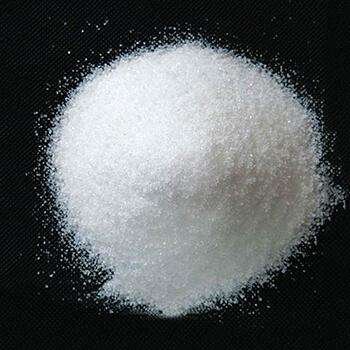
Levomefolate Calcium is a white to off-white crystalline powder that is odorless and slightly soluble in water. It is a derivative of folic acid, which is a B-vitamin essential for the body’s metabolic functions. The compound has a molecular formula of C19H19NO7Ca and a molecular weight of 422.41 g/mol. Its chemical structure includes a pteridine ring, a para-aminobenzoic acid (PABA) group, and a calcium salt.
The unique chemical properties of Levomefolate Calcium make it a valuable compound in various applications, including pharmaceuticals, dietary supplements, and research studies.
—
Applications of Levomefolate Calcium
1. **Pharmaceuticals**: Levomefolate Calcium is used in the treatment of folate deficiency, which can lead to anemia and other health issues. It is often prescribed in combination with other medications to correct deficiencies and improve overall health.
2. **Dietary Supplements**: As a form of folic acid, Levomefolate Calcium is commonly found in dietary supplements. These supplements are often taken to support fertility, pregnancy, and overall cardiovascular health.
3. **Research Studies**: The compound is widely used in scientific research to study the effects of folic acid on various biological processes. It has been used in studies on cancer, cardiovascular disease, and neural tube defects.
—
Health Benefits of Levomefolate Calcium
1. **Prevention of Neural Tube Defects**: One of the most significant benefits of Levomefolate Calcium is its role in preventing neural tube defects in pregnant women. Adequate intake of folic acid before and during pregnancy can significantly reduce the risk of birth defects.
2. **Reduction of Homocysteine Levels**: Homocysteine is an amino acid that can be harmful in high concentrations. Levomefolate Calcium helps lower homocysteine levels, which may reduce the risk of cardiovascular disease and stroke.
3. **Support for Red Blood Cell Production**: As a crucial component in the production of red blood cells, Levomefolate Calcium helps maintain healthy blood levels and can prevent anemia.
—
Considerations and Safety
While Levomefolate Calcium offers numerous health benefits, it is important to consider the following:
1. **Dosage**: The appropriate dosage of Levomefolate Calcium should be determined by a healthcare professional, as excessive intake can lead to adverse effects.
2. **Interactions**: The compound may interact with certain medications, so it is essential to consult with a healthcare provider before starting any new supplement regimen.
3. **Quality**: When purchasing dietary supplements containing Levomefolate Calcium, it is crucial to choose high-quality products from reputable manufacturers.
—
Conclusion
In conclusion, Levomefolate Calcium CAS 151533-22-1 is a vital nutrient with significant health benefits. Its applications in pharmaceuticals, dietary supplements, and research studies highlight its importance in maintaining overall health and wellness. Understanding the properties, benefits, and considerations of this compound is essential for anyone interested in its potential impact on their health.
—
Keywords: Levomefolate Calcium, CAS 151533-22-1, folic acid, health benefits, pharmaceuticals, dietary supplements, neural tube defects, homocysteine levels, red blood cell production.