

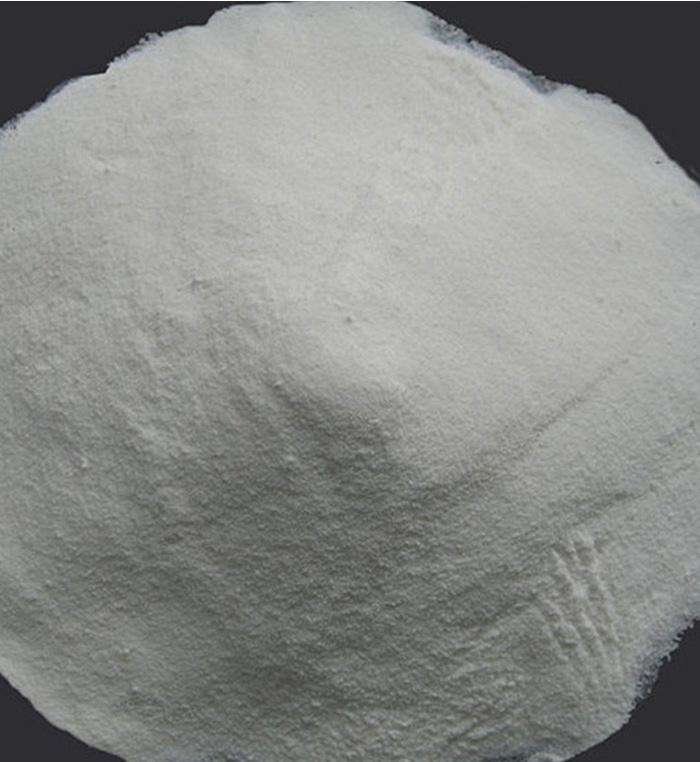


4-Formylphenylboronic Acid (CAS 87199-17-5) Ultimate User Guide
Table of Contents
- Product Specifications & Comparative Analysis
- Applications in Modern Chemistry
- Operational Protocols & Reaction Examples
- Industry Implementation Case Studies
- Technical Consultation & Quotation
1. Product Specifications & Comparative Analysis
| Parameter | 4-Formylphenylboronic Acid | 4-Fluorophenylboronic Acid | Phenylboronic Acid |
|---|---|---|---|
| CAS Number | 87199-17-5 | 1765-93-1 | 98-80-6 |
| Molecular Formula | C7H7BO3 | C6H6BFO2 | C6H7BO2 |
| Molecular Weight | 149.94 g/mol | 139.92 g/mol | 121.93 g/mol |
| Reactive Sites | Boronic acid + Aldehyde | Boronic acid + Fluorine | Single boronic acid |
| Typical Purity | >97% (HPLC) | >95% | >99% |
2. Applications in Modern Chemistry
2.1 Suzuki-Miyaura Cross-Coupling
Enables construction of biaryl systems with aldehyde functionality for subsequent derivatization. Reaction conditions typically require Pd(PPh3)4 catalyst in mixed solvent systems (THF/H2O) at 60-80°C.
2.2 Schiff Base Formation
The formyl group facilitates condensation with primary amines to create imine linkages, particularly valuable in MOF and COF synthesis. Achieves 85-92% conversion efficiency in DMF at room temperature.
2.3 Pharmaceutical Intermediates
Critical building block for tyrosine kinase inhibitor precursors. Enables introduction of both boron-containing motifs and aldehyde handles for click chemistry.
3. Operational Protocols & Reaction Examples
3.1 Standard Coupling Procedure
Charge reactor with 1eq aryl halide, 1.2eq 4-formylphenylboronic acid, 2mol% Pd catalyst. Maintain nitrogen atmosphere during 12hr reflux in degassed THF/H2O (3:1). Typical yields: 78-85% after column purification.
3.2 COF Synthesis Protocol
Combine with 1,4-phenylenediamine in mesitylene/dioxane (v/v 1:1) at 120°C for 72hrs under vacuum. Obtain crystalline frameworks with BET surface areas >1500 m²/g.
4. Industry Implementation Case Studies
4.1 Oncology Drug Development (ABC Pharma)
Challenge: Required bifunctional linker for PROTAC molecule targeting EGFR
Solution: Utilized Suzuki coupling followed by oxime ligation
Outcome: Achieved 92% protein degradation efficiency at 100nM concentration
4.2 Advanced Sensor Materials (NanoSense Technologies)
Challenge: Developing glucose-responsive hydrogel matrices
Solution: Incorporated into diol-sensitive polymeric network
Outcome: Created sensors with 0.1-10mM linear detection range
4.3 Organic Electronics (ElectroPoly Inc.)
Challenge: Synthesizing air-stable n-type semiconductors
Solution: Served as anchoring group in perylene diimide derivatives
Outcome: Achieved electron mobility of 0.35 cm²V⁻¹s⁻¹ under ambient conditions
5. Technical Consultation & Quotation
Our chemical engineering team provides:
- Custom synthesis optimization
- Scale-up support (gram to kilogram scale)
- Regulatory documentation preparation
Contact our specialists:
Email: info@vivalr.com
Tel: (86) 15866781826
相关产品
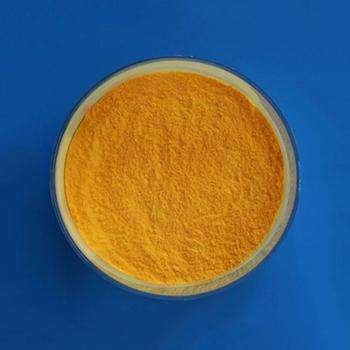
Chemical Name: Isoflavone
Synonyms: Soy Isoflavone; Soybean Lsoflavones; 3-Phenylchromen-4-one; 3-Phenylchromone
CAS No.: 574-12-9
Molecular Formula: C15H10O2
Molecular Weight: 222.24
Appearance: Powder
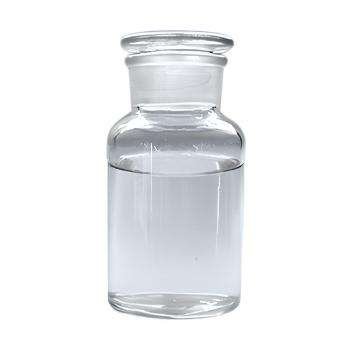
Chemical Name: D-PANTOTHENIC ACID
CAS No.: 79-83-4
Molecular Formula: C9H17NO5
Molecular Weight: 219.24
Appearance: Colorless or Light Yellow Oily Liquid

Chemical Name: o-Xylene
Synonyms: 1,2-Dimethylbenzene; ortho-xylene
CAS No.: 95-47-6
Molecular Formula: C8H10
Molecular Weight: 106.17

Chemical Name: Marbofloxacin
CAS No.: 115550-35-1
Molecular Formula: C17H19FN4O4
Molecular Weight: 362.36
Appearance: Red-Brown Crystal
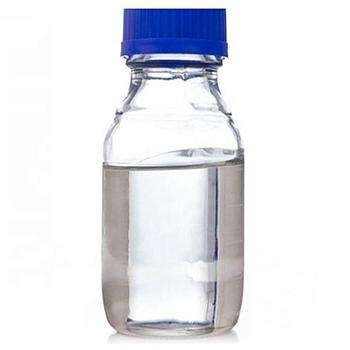
Chemical Name: STODDARD SOLVENT
CAS No.: 64742-88-7
Appearance: Colorless or Light Yellow Liquid
Chemical Name: 3-Hydroxybutyric acid
CAS No.: 625-71-8
Molecular Formula: C4H8O3
Molecular Weight: 104.1
Appearance: White powder
Chemical Name: Oxirane, methyl-, polymer with oxirane, dodecyl ether
Cas No.: 68238-81-3
Molecular Fomula: C17H36O3
Molecular Weight: 288.46594
Chemical Name: D-PANTOTHENIC ACID
CAS No.: 79-83-4
Molecular Formula: C9H17NO5
Molecular Weight: 219.24
Appearance: Colorless or Light Yellow Oily Liquid
Chemical Name: D-Phenothrin
CAS No.: 26046-85-5
Molecular Formula: C23H26O3
Molecular Weight: 350.45
Appearance: Oil
Chemical Name: 3-Chloroaniline
Synonyms: 1-Amino-3-chlorobenzene; m-Aminochlorobenzene; 3-Chlorobenzenamine; 3-Chlorophenylamine
CAS No.: 108-42-9
Molecular Formula: C6H6ClN
Molecular Weight: 127.57
Appearance: Colorless Liquid
Chemical Name: DL-4-Chlorophenylglycine
Cas No.: 6212-33-5
Molecular Fomula: C8H8ClNO2
Molecular Weight: 185.61
Chemical Name: 1,5-Diphenylcarbazide
Synonyms: 1,5-Diphenylcarbohydrazide; 2,2’-diphenylcarbazide; Diphenylcartazide; sym-diphenylcarbazide
CAS No.: 140-22-7
Molecular Formula: C13H14N4O
Molecular Weight: 242.28



评论
目前还没有评论。