



Hexanoyl Chloride (CAS 142-61-0): Technical Guide
Table of Contents
1. Product Overview & Specifications
Chemical Identity
- IUPAC Name: Hexanoyl chloride
- CAS No.: 142-61-0
- Molecular Formula: C6H11ClO
- Molecular Weight: 134.60 g/mol
- EINECS: 205-549-1
Physical Properties
| Parameter | Value |
|---|---|
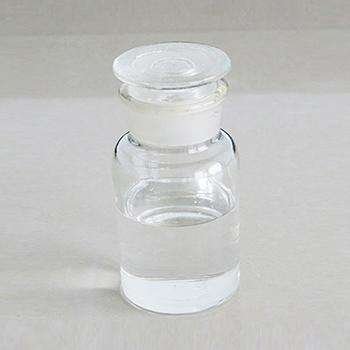
| Appearance | Colorless to pale yellow liquid |
| Melting Point | -87°C |
| Boiling Point | 150–153°C (lit.) |
| Density | 0.963 g/mL at 25°C |
| Refractive Index | n20/D: 1.426 |
| Flash Point | 50°C (closed cup) |
| Solubility | Miscible with ether, chloroform; decomposes in water/ethanol |
2. Applications & Industrial Uses
Key Applications
- Organic Synthesis: Primary reagent for introducing hexanoyl groups in pharmaceuticals, agrochemicals, and polymers.
- Pharmaceutical Intermediates: Used in synthesizing active pharmaceutical ingredients (APIs) such as anticonvulsants and lipid regulators.
- Agrochemicals: Precursor for herbicides and fungicides.
- Polymer Chemistry: Modifies surface properties of polymers for enhanced stability.
Functional Advantages
- High reactivity in acylation reactions under mild conditions.
- Compatible with Grignard reagents and Friedel-Crafts alkylation.
3. Operational Guidelines
Handling & Storage
- Storage: Keep in sealed containers under inert gas (N2 or Ar) at 2–8°C.
- Moisture Control: Use molecular sieves or calcium chloride to prevent hydrolysis.
- Ventilation: Operate in fume hoods with ≤50% relative humidity.
Reaction Optimization
- Use anhydrous solvents (e.g., THF, dichloromethane).
- Maintain stoichiometric excess (1.2–1.5 eq) for complete conversion.
4. Safety Protocols
Hazard Classification (GHS)
- Flammability: Category 3 (Flash point 50°C)
- Corrosivity: Skin Corrosion/Irritation (Category 1A)
- Acute Toxicity: Oral (Category 4), Inhalation (Category 3)
Emergency Response
| Exposure Route | Action |
|---|---|
| Skin Contact | Flush with water ≥15 min; remove contaminated clothing |
| Eye Contact | Irrigate with saline ≥10 min; seek ophthalmological evaluation |
| Inhalation | Move to fresh air; administer oxygen if dyspnea occurs |
| Fire | Use CO2, dry chemical, or sand; avoid water |
5. Client Case Studies
Case 1: Pharmaceutical Intermediate Production
- Client: European CRO
- Application: Synthesis of antiepileptic drug intermediate
- Outcome: 92% yield improvement vs. alternative acylating agents
Case 2: Specialty Polymer Development
- Client: US Materials Innovator
- Application: Hydrophobic coating for medical devices
- Outcome:Achieved 40% reduction in surface energy
Technical Inquiry
For customized solutions or bulk orders, contact our technical team:
Email: info@vivalr.com
Tel: (86) 15866781826
相关产品
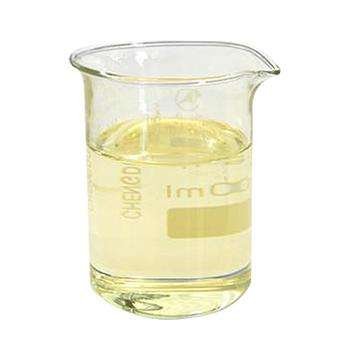
Chemical Name: Potassium Castorate
CAS No.: 8013-05-6
Molecular Formula: C57H107K3O12
Molecular Weight: 1101.74718
Appearance: Yellow Liquid
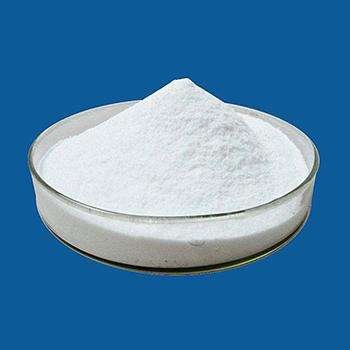
Chemical Name: 1,5-Diphenylcarbazide
Synonyms: 1,5-Diphenylcarbohydrazide; 2,2’-diphenylcarbazide; Diphenylcartazide; sym-diphenylcarbazide
CAS No.: 140-22-7
Molecular Formula: C13H14N4O
Molecular Weight: 242.28

Chemical Name: alpha-Hexylcinnamaldehyde
CAS No.: 101-86-0
Molecular Formula: C15H20O
Molecular Weight: 216.32
Appearance: Yellow Liquid
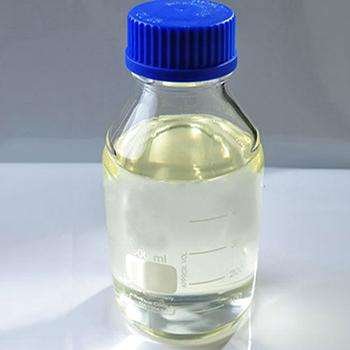
Chemical Name: 1,1,2,2-Tetrachloroethane
Other Name: Tetrachlorethane
CAS No.: 79-34-5
Molecular Formula: C2H2Cl4
Molecular Weight: 167.85
Appearance: Liquid
Chemical Name: alpha-Hexylcinnamaldehyde
CAS No.: 101-86-0
Molecular Formula: C15H20O
Molecular Weight: 216.32
Appearance: Yellow Liquid
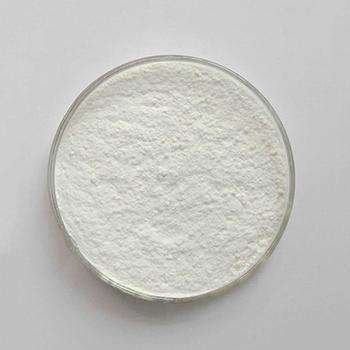
Chemical Name: Zinc citrate
Synonyms: Zinc citrate trihydrate
CAS No.: 546-46-3
Molecular Formula: C6H8O7Zn
Molecular Weight: 257.5
Appearance: White powder
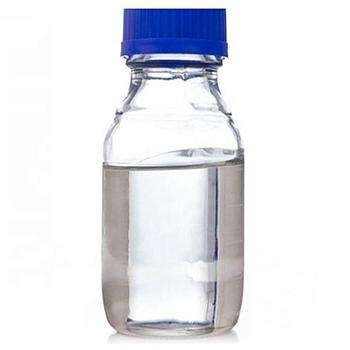
Chemical Name: STODDARD SOLVENT
CAS No.: 64742-88-7
Appearance: Colorless or Light Yellow Liquid

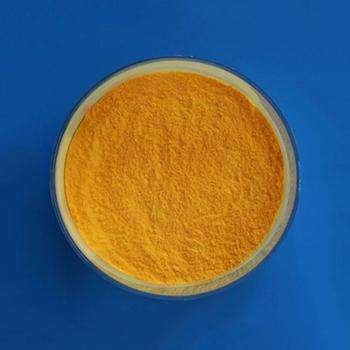
Chemical Name: N-(3-Aminopropyl)morpholine
CAS No.: 123-00-2
Molecular Formula: C7H16N2O
Molecular Weight: 144.21
Appearance: Colorless transparent liquid
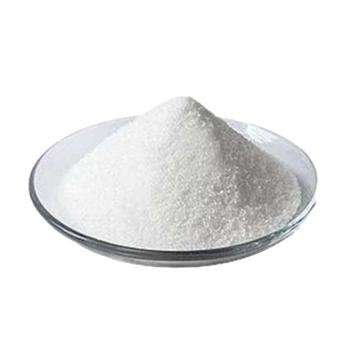
Chemical Name: Isoflavone
Synonyms: Soy Isoflavone; Soybean Lsoflavones; 3-Phenylchromen-4-one; 3-Phenylchromone
CAS No.: 574-12-9
Molecular Formula: C15H10O2
Molecular Weight: 222.24
Appearance: Powder
Chemical Name: 3-Hydroxybutyric acid
CAS No.: 625-71-8
Molecular Formula: C4H8O3
Molecular Weight: 104.1
Appearance: White powder
Chemical Name: 3-Chloroaniline
Synonyms: 1-Amino-3-chlorobenzene; m-Aminochlorobenzene; 3-Chlorobenzenamine; 3-Chlorophenylamine
CAS No.: 108-42-9
Molecular Formula: C6H6ClN
Molecular Weight: 127.57
Appearance: Colorless Liquid
Chemical Name: 1-Hexadecylamine
Synonyms 1-Aminohexadecane; Hexyldecylamine; n-Certylamine
CAS No.: 143-27-1
Molecular Formula: C16H35N
Molecular Weight: 241.46
Appearance: White Crystal



评论
目前还没有评论。