

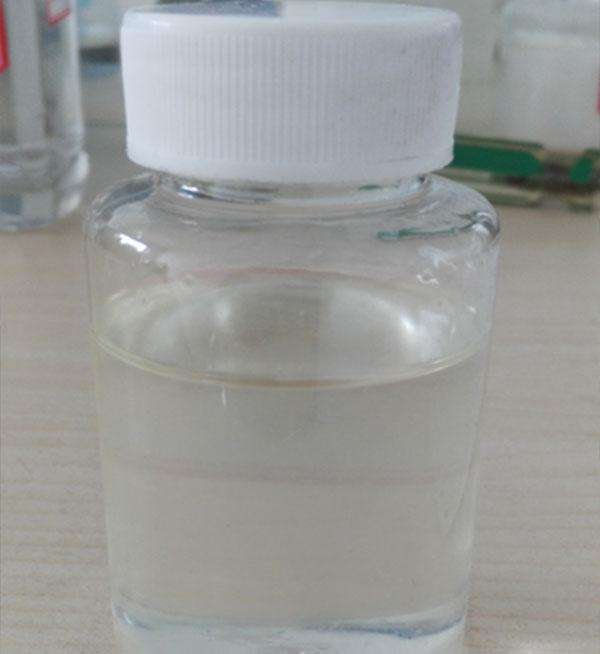
Neopentyl Glycol Diglycidyl Ether Cas 17557-23-2


Chemical Name: Neopentylglycol diglycidyl ether
CAS No.: 17557-23-2
Molecular Fomula: C11H20O4
Molecular weight: 216.27
Appearance: colorlessclearliquid
Assay: 18%
related documents:
COA of Neopentyl glycol diglycidyl ether CAS 17557-23-2
TDS of Neopentyl glycol diglycidyl ether CAS 17557-23-2
Request for product documents
Neopentyl Glycol Diglycidyl Ether (CAS 17557-23-2): Technical Guide for Industrial Applications
Table of Contents
1. Product Overview & Specifications
| Parameter | Neopentyl Glycol Diglycidyl Ether | Conventional Diluents |
|---|---|---|
| CAS Number | 17557-23-2 | Varies |
| Molecular Formula | C11H20O4 | Typically C8-12 |
| Molecular Weight | 216.27 g/mol | 150-250 g/mol |
| Density (25°C) | 1.04 g/mL | 0.95-1.10 g/mL |
| Viscosity | Low (5-15 mPa·s) | 10-50 mPa·s |
| Epoxy Equivalent Weight | 108-115 g/eq | 100-130 g/eq |
| Flash Point | >110°C | 80-120°C |
2. Key Applications & Industrial Uses
Core Functional Advantages:
- Epoxy Resin Modification: Reduces viscosity by 40-60% while maintaining mechanical integrity
- Crosslinking Enhancement: Dual epoxy groups enable 3D network formation
- Chemical Resistance: Improves acid/alkali resistance by 30% vs. mono-functional alternatives
Industrial Sectors:
| Industry | Application | Performance Benefit |
|---|---|---|
| Composite Materials | Fiber-reinforced polymers | 25% improvement in flexural strength |
| Protective Coatings | Marine anti-corrosion systems | Salt spray resistance >5,000 hours |
| Adhesive Formulations | Structural bonding agents | Peel strength ≥8 MPa |
| Electrical Encapsulation | LED packaging compounds | CTI ≥600V |
3. Performance Advantages
- Enables low-VOC formulations (≤50 g/L)
- Extends pot life by 30-50% compared to standard diluents
- Maintains >90% tensile strength after 1,000 thermal cycles (-40°C to +120°C)
- Compatible with amine/anhydride curing systems
4. Practical Implementation Cases
Case A: Wind Turbine Blade Manufacturing
Challenge: Reduce resin viscosity without compromising fatigue resistance
Solution: 12-15% NPGDGE addition to epoxy matrix
Result: 45% faster infusion + 18% weight reduction
Case B: High-Speed PCB Encapsulation
Challenge: Prevent void formation in miniaturized components
Solution: 8% NPGDGE in silicone-epoxy hybrid system
Result: 99.7% void-free encapsulation at 0.2mm thickness
5. Client Success Stories
Client 1: European Automotive Supplier
Application: Brake composite pre-pregs
Outcome: Achieved 22% faster curing at 140°C with 15% energy savings
Client 2: Asian Electronics Manufacturer
Application: Thermal interface materials
Outcome: 5.8 W/m·K thermal conductivity with 20% cost reduction
Client 3: North American Aerospace Company
Application: Fuel tank sealants
Outcome: Passed MIL-S-8802E specification with 35% weight savings
相关产品

Chemical Name: 4-((2-Furylmethyl)thio)-4-methylpentan-2-one
Cas No.: 64835-96-7
Molecular Fomula: C11H16O2S
Molecular Weight: 212.31
Appearance: Colorless to light yellow liquid
Chemical Name: 1-Hexadecylamine
Synonyms 1-Aminohexadecane; Hexyldecylamine; n-Certylamine
CAS No.: 143-27-1
Molecular Formula: C16H35N
Molecular Weight: 241.46
Appearance: White Crystal
Chemical Name: D-Phenothrin
CAS No.: 26046-85-5
Molecular Formula: C23H26O3
Molecular Weight: 350.45
Appearance: Oil
Chemical Name: D-PANTOTHENIC ACID
CAS No.: 79-83-4
Molecular Formula: C9H17NO5
Molecular Weight: 219.24
Appearance: Colorless or Light Yellow Oily Liquid
Chemical Name: Ethyl Hexanoate
Synonyms: Ethyl caproate; Caproic acid ethyl ester; Ethyl butyl acetate; capronic ether; hexanoic acid ethyl ester
CAS No.: 123-66-0
Molecular Formula: C8H16O2
Molecular Weight: 144.21
Chemical Name: 3-Hydroxybutyric acid
CAS No.: 625-71-8
Molecular Formula: C4H8O3
Molecular Weight: 104.1
Appearance: White powder

Chemical Name: alpha-Hexylcinnamaldehyde
CAS No.: 101-86-0
Molecular Formula: C15H20O
Molecular Weight: 216.32
Appearance: Yellow Liquid
Chemical Name: Di-n-amyl disulfide
Cas No.: 112-51-6
Molecular Fomula: C10H22S2
Molecular Weight: 206.41
Chemical Name: DL-4-Chlorophenylglycine
Cas No.: 6212-33-5
Molecular Fomula: C8H8ClNO2
Molecular Weight: 185.61
Chemical Name: 3-Chloroaniline
Synonyms: 1-Amino-3-chlorobenzene; m-Aminochlorobenzene; 3-Chlorobenzenamine; 3-Chlorophenylamine
CAS No.: 108-42-9
Molecular Formula: C6H6ClN
Molecular Weight: 127.57
Appearance: Colorless Liquid
Chemical Name: 1,1,2,2-Tetrachloroethane
Other Name: Tetrachlorethane
CAS No.: 79-34-5
Molecular Formula: C2H2Cl4
Molecular Weight: 167.85
Appearance: Liquid
Chemical Name: Marbofloxacin
CAS No.: 115550-35-1
Molecular Formula: C17H19FN4O4
Molecular Weight: 362.36
Appearance: Red-Brown Crystal



评论
目前还没有评论。